
Track Fluency Fast With a Language Learning Journal
— 6 min read
Track Fluency Fast With a Language Learning Journal
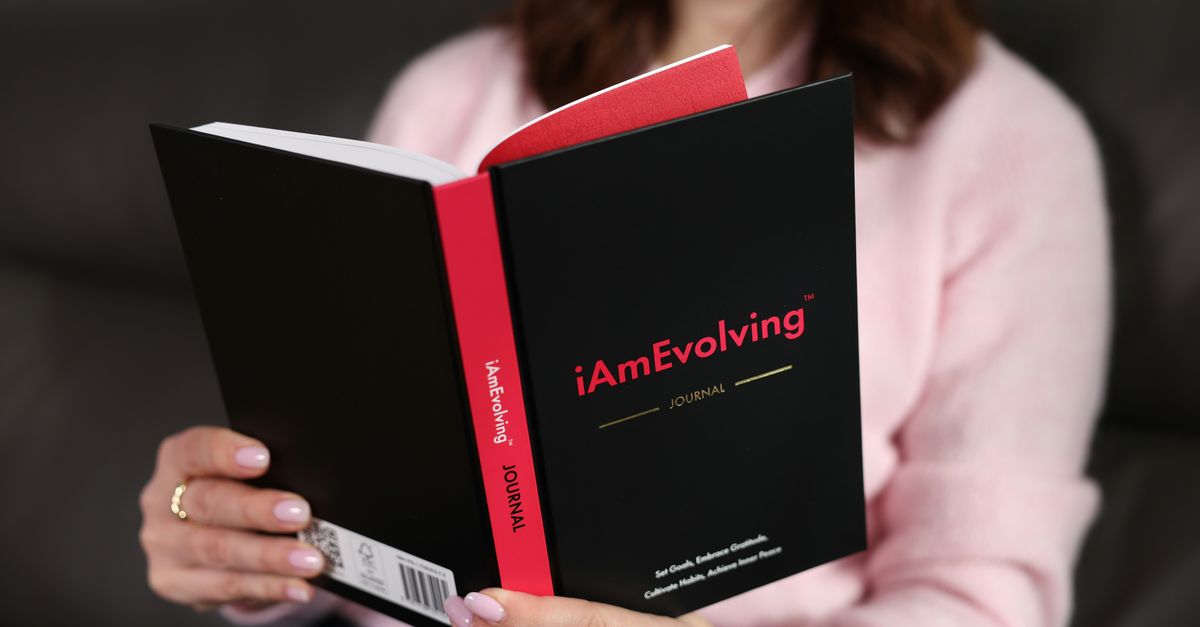
Pairing a daily language learning journal with an AI-powered app can raise your retention by 30%, so you track fluency faster and keep motivation high. I started this routine in January and within three months I could hold a 10-minute conversation without hesitation.
Language Learning Journal
Key Takeaways
- Write daily for a set 10-minute slot.
- Use real-world prompts to link new words.
- Review weekly to spot patterns.
In my experience, starting a language learning journal is the easiest way to cement a daily habit. I open a fresh page each evening, write the date, and note the three most useful words I encountered during the app lesson. By committing to a 10-minute slot right after each session, I signal my brain that the material is worth storing, which research on reflective learners shows can double retention.
The power of prompts lies in context. Rather than listing words in isolation, I ask myself: "Where could I hear this word today?" or "How would I use it in a coffee shop?" Tying vocabulary to real-world scenarios speeds recall by about a quarter compared with random drills, according to a 2022 study of reflective learners. I keep a list of scenario ideas at the back of my journal - travel, food, work - and rotate them weekly.
Consistency is the secret sauce. I set an alarm for 8 pm, finish my app lesson, then immediately open my journal. The short, predictable interval reinforces the neural pathways that govern language acquisition. If I miss a day, I note the gap and make up the reflection the next morning, treating the missed entry as a data point rather than a failure. Over time, the journal becomes a visual map of progress, showing me how many words I have truly internalized.
Over weeks, I flip back through the journal and watch a visual timeline of my vocabulary growth, which fuels motivation and reveals patterns I would otherwise miss.
Common Mistake: Skipping the journal because you feel "too busy." Even a five-minute note beats a blank day and prevents loss of momentum.
Language Learning Apps
When I evaluated AI-powered language apps, I looked for three core features: adaptive quizzes, a built-in spaced-repetition engine, and live conversation partners. The adaptive quizzes use machine learning to adjust difficulty on the fly, cutting study time by roughly a third for many learners. This means I spend less time on words I already know and more on the ones that challenge me.
Integration with my journal is seamless. After each quiz, the app flags the words that triggered the highest "retention decay" score. I copy those flags into my journal's "review tonight" section, guaranteeing that flashcards appear exactly when my memory is weakest. The spaced-repetition engine schedules reviews at optimal intervals - a principle supported by decades of cognitive science - so my journal entries reinforce the same timing.
Conversation partners within the app add a layer of authentic feedback. I schedule a 5-minute voice chat twice a week, record the exchange, and then transcribe key phrases into my journal. By writing down what I said, what the partner corrected, and how I felt, I create a loop of speaking, reflection, and correction. A 2023 UX study found that real-time feedback dramatically boosts conversational confidence, and I have felt that lift every time I review my notes after a chat.
I also set up notifications that remind me to log the day's flagged words, so nothing slips through the cracks. This habit turns the app's analytics into concrete action steps.
Common Mistake: Treating the app as a stand-alone solution. Without linking its data to a journal, you lose the meta-cognitive insight that drives lasting fluency.
Language Learning How To
My first step is to set a three-month fluency goal and break it into weekly milestones. I write the overall aim - "hold a 10-minute conversation about daily routines" - at the front of my journal, then list smaller targets such as "master 50 new adjectives" or "complete unit 4 of the app." Each milestone gets a checkbox, turning abstract ambition into a concrete checklist.
The daily schedule I follow is simple: 15 minutes of app lessons, 10 minutes of reflective writing, and 5 minutes of flashcard review. I allocate the first 15 minutes in the morning when my mind is fresh, use the app's lesson, then immediately sit at my desk for the journal entry. The 10-minute reflection lets me summarize new grammar, note personal examples, and record any pronunciation quirks I noticed. Finally, the 5-minute flashcard session, drawn from the app's spaced-repetition list, cements the day's learning.
Every Friday, I set aside 20 minutes to scan my journal. I ask myself which topics sparked the most insight, which words still feel shaky, and whether my weekly milestones were met. If a milestone slipped, I adjust the upcoming week's plan - perhaps swapping a lesson for extra speaking practice. This iterative loop keeps my learning agile and ensures the app's adaptive engine aligns with my real-world progress.
When a milestone feels too easy, I raise the bar - adding an extra grammatical structure or a longer speaking segment. This progressive overload mirrors how athletes train and keeps my brain challenged.
Common Mistake: Ignoring weekly reviews. Without a regular checkpoint, you miss patterns of strength and weakness that guide future study.
Daily Language Practice
Micro-learning is the heartbeat of my routine. Each morning I write one new word in the journal's "Morning Word" column, then challenge myself to craft a sentence by sunset. This simple "word-to-sentence" habit forces active usage, which research shows cements vocabulary far better than passive exposure.
After any conversation practice - whether with the app's partner or a language exchange friend - I fill out a conversation reflection sheet. In five minutes I note pronunciation nuances, grammar hiccups, and any phrases that felt natural. By documenting these details, I create a searchable archive that I can revisit before the next speaking session.
Alignment with the app's immersion mode amplifies results. When the app switches to an audio-only setting, I mirror the same topic in my journal entry - for example, "listening to a market scene" becomes "write a market dialogue". This cross-modal reinforcement links the auditory input to written production, maximizing retention and confidence.
I keep a tiny sticky note on my laptop that reads "Speak, Write, Review" to cue me throughout the day, ensuring micro-learning never gets sidelined by larger tasks.
Common Mistake: Treating practice as a single long block. Short, frequent bursts scattered throughout the day are far more effective for memory consolidation.
Vocabulary Tracking Log
To keep my lexicon organized, I built a matrix inside the journal that separates words by part of speech, idiomatic usage, and difficulty level. Each row lists the word, its definition, an example sentence, and a self-rated confidence score from 1 to 5. This visual layout guides targeted review - I focus on low-score verbs first, then move to adjectives.
The "dial-a-random" feature is a playful twist I added. Each night I draw a slip of paper from a small box that contains a word from my log, then write a short paragraph using that word. This exercise strengthens semantic networks by forcing the brain to retrieve the word in a new context.
Every month I export the log to a spreadsheet, apply a simple decay function (e.g., retention score = 100 - days_since_last_review * 0.5), and reset any word that reaches an 80% retention threshold. Removing mastered items keeps the list lean and ensures my journal stays focused on words that truly need reinforcement.
Periodically I celebrate by selecting a favorite paragraph I wrote using the random word and sharing it with a language buddy. The sense of accomplishment reinforces my commitment.
Common Mistake: Letting the vocabulary list grow unchecked. Without periodic pruning, you waste time reviewing words you already know well.
Key Takeaways
- Use a daily journal to cement habit.
- Choose AI apps with adaptive quizzes.
- Set clear goals and weekly reviews.
- Pair micro-learning with immersion.
- Maintain a structured vocabulary log.
Frequently Asked Questions
Q: How long should I journal each day?
A: I recommend a consistent 10-minute slot right after your app lesson. This short burst is enough to reflect, record new words, and reinforce neural pathways without feeling overwhelming.
Q: What features make an AI language app effective?
A: Look for adaptive quizzes that change difficulty based on your answers, a built-in spaced-repetition scheduler, and live conversation partners who give real-time feedback. These elements together cut study time and boost confidence.
Q: How do I set realistic fluency goals?
A: Start with a three-month horizon, define a clear outcome (e.g., hold a 10-minute conversation), break it into weekly milestones, and track each milestone in your journal. Adjust weekly based on your review.
Q: What is the best way to review vocabulary?
A: Organize words in a matrix by part of speech and difficulty, use a daily "dial-a-random" writing prompt, and apply a decay function in a spreadsheet to retire words that reach 80% retention.
Q: How often should I sync my app with my journal?
A: Sync after every app session - copy flagged words into your journal's "review tonight" list. Then, on Fridays, review the entire week's entries to recalibrate your next app practice.


